Stevenson on Beckett
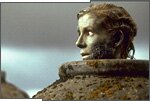
'It's interesting to think about the differences between the film we're making and a stage version of the play. On stage, you could have a beam of light, a spotlight scorching across the stage, that would help convey the sense of these souls who are dormant in their urns, and woken up by this interrogator. The light is the fourth character in this play. That must be quite powerful in the theatre. Using the camera as that character on film is slightly more difficult because we already have quite a complicated relationship to a camera.
'People who have done it on stage usually say how torturous it is. I have done Not I and Footfalls on stage, and there're fantastically difficult they kind of drive you mad.
'Beckett has an extraordinarily eccentric and problematic relationship to actors. He saw them as putty in the right director's hands his hands very often. It's an attitude to actors that most actors would refuse, because we don't have that relationship to the work ourselves. There are lots of stories of him driving people to tears by creating great technical demands on them, like the speed at which he wanted the play to go. He treated them as mannequins. There are stories of him spending hours arranging Billie Whitelaw's arms when she played Footfalls spending hours getting her fingers in exactly the right position.
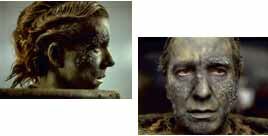
'For the first time in my life, I am being asked to play somebody who doesn't exist, who has long, long since ceased to have any feelings or any relationship to any life, or to the story of her own life that she is telling. Anthony is getting us to recite it literally with no colouring, no relationship to the content whatsoever. These people tell their stories in this purgatorial situation have told their stories five billion times already and you're watching the five-billion-and-first time. So about four billion times before, they stopped having any relationship to it, or caring. That's what's so difficult, because it runs counter to everything that actors are used to doing, which is to invest meaning into dialogue. Anthony just keeps saying: "Faster; but less, less." So you have to cauterise very deep instincts and just trust that it's a bit like being part of the mosaic. It's just a kind of noise.
'All the problems you encounter as an actor are the problems the characters are encountering. They are sick to death of being in these pots; they are probably exhausted, longing for it to stop. You can use everything you experience on the set: the aches, the dry tongue, the discomfort and so on. Yesterday, during filming, I was very, very tired and some of the best work happened then.
'You only discover Beckett's genius once you start immersing yourself in the material. Beckett completely altered our vision of what theatre can do. In a sense they are not really plays but theatrical events. He is more a poet or installation artist, or performance artist, or some strange combination of all of those things, than a playwright. He pays as much attention to what sound and light are doing as he does to text.'
Back to top